
Geomancy in Buildings and Fields
An intensive experiential training in geomancy and geobiology, exploring energetic structures in people, buildings, and landscapes through direct perception and applied fieldwork.
April 19–23, 2026 · Vernet-les-Bains, France · Residential course
Course Overview
This one-week training introduces the principles and practice of Geomancy and Geobiology as structured approaches to perceiving and working with energetic systems in the human body, built environments, and natural landscapes.
The course explores the intrinsic relationships between people, places, and broader energetic fields. Participants learn to recognize and work with geomantic and geobiological structures such as earth grids, water veins, and landscape dynamics, as well as their interaction with human well-being and activity.
Drawing on the traditions of classical geomancy and contemporary applied perception work, the training integrates embodied sensing, intuitive awareness, and practical methods for harmonizing spaces and environments. Different modes of perception are addressed, including bodily, mental, and intuitive perception, always within a clear methodological framework.
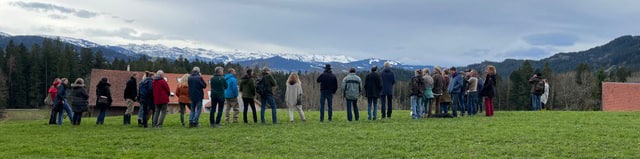
The emphasis of the course is experiential. Through guided exercises, demonstrations, and fieldwork in buildings, parks, and the surrounding landscape, participants gain direct experience in perceiving and working with energetic patterns as they manifest in real-world contexts.
Course Structure & Learning Format
The training follows a progressive structure combining theoretical explanation with frequent practical exercises. Each day begins with a short foundational practice focused on awareness and energetic hygiene, establishing a consistent working framework for perception and fieldwork.
The course alternates between indoor sessions and outdoor practice in the surrounding environment. Participants engage in hands-on exercises in small groups, developing confidence in direct perception and learning to apply geomantic methods in buildings, parks, and village settings.
A range of traditional and contemporary testing and perception tools are introduced and practiced, including body-based sensing, dowsing rods, pendulums, and other testing methods. Practical demonstrations are followed by supervised group work, allowing participants to integrate theory through experience.
Throughout the week, thematic focuses build cumulatively, supporting a deepening understanding of geomantic systems and their practical application. Reflection, repetition, and group exchange are integrated to consolidate learning and support independent practice beyond the course.
Faculty
Core Faculty
Dr. Ralf Otterpohl
Geomancer and developer of perception-based training methods. His work integrates classical geomancy, geobiology, and applied energetic perception, with a focus on direct experiential learning in landscapes, buildings, and human environments..
Guest Faculty
Selected sessions may include contributions from associate faculty members or visiting contributors, offering complementary perspectives aligned with the core training. Guest participation may vary depending on the course focus and availability.
Intended Audience
Participation is open to individuals with an interest in personal development, perception training, and working with energetic systems in people and environments. The course is suitable both for beginners and for those wishing to deepen existing experience in geomancy or related fields.
The training supports further personal practice and may enable participants to work independently or in small groups with continued experience. Children may participate when accompanied by their parents; in this case, participation for children is free of charge.
The course includes practical exercises both indoors and outdoors. Participants should be prepared for fieldwork in a mountain environment and are encouraged to bring suitable clothing and any personal perception tools they already use, such as dowsing rods or pendulums.
Practical Information
Language of instruction
The course is taught in English. Some support in French and German may be available.
Daily schedule
Sessions take place daily from 9:00 to 14:00, including short breaks. Participants are encouraged to bring a notebook for personal notes alongside the provided seminar materials.
Course setting
The seminar takes place in Vernet-les-Bains, in the Mediterranean Pyrenees of southern France. The course is held in a private hotel with a large park and pool, providing a quiet and contained environment for focused work.
Meals and self-organization
Meals are not included. Participants can share a professional kitchen at the venue to prepare their own meals. Food and shopping options are available in the surrounding area, and there are also cafés and restaurants within walking distance in the town.
Travel and access
Vernet-les-Bains is accessible via several transport routes. From the nearby stunning old town of Villefranche-de-Conflent, buses connect to the coastal city of Perpignan. International access is possible via airports in Girona (Spain’s budget Airport near Barcelona), Barcelona, Toulouse, or Perpignan.
Local environment
Vernet-les-Bains is an ancient spa town known for its hot springs, cafés, and hiking culture. The location lies at approximately 700 meters altitude at the foot of the Pic du Canigou (2,785 m), offering direct access to extensive hiking opportunities starting from the hotel surroundings.
Requirements
No prior experience with Psychomancy or testing methods is required. An open, reflective attitude and a willingness to engage in experiential learning are expected.
Fees & Conditions
Course fee
The fee for the one-week course is €450.
An early bird fee of €350 is available for registrations completed at least six weeks before the start of the course.
Accommodation
Affordable rooms at the seminar venue may be available depending on availability. Accommodation options and booking details are provided after submitting a registration request. Participants are also free to arrange their own accommodation independently if they prefer.
Meals
Meals are not included in the course fee. Participants can use the shared kitchen facilities at the venue to prepare their own meals, and there are cafés and restaurants within walking distance.
Registration
To register your interest, please complete the registration form available on the Registration page.